- Tree Care
Why Your Trees Die
Nov 4, 2024 · By Bronx Tree Services
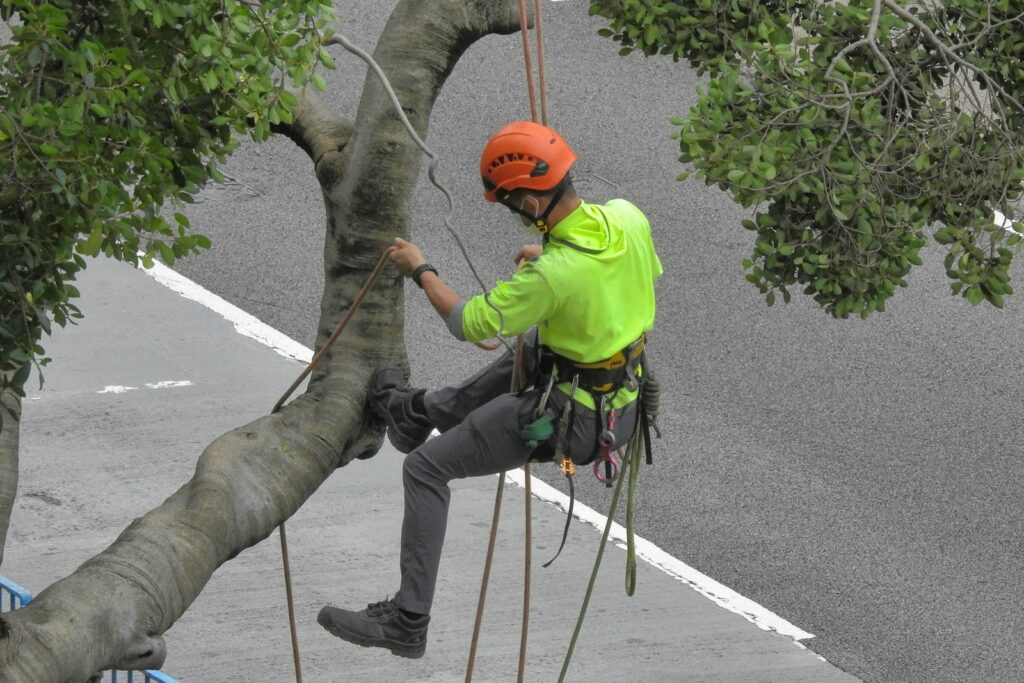
Have you been searching for answers as to why your trees die, and more importantly, how to prevent this from occurring? Trees are often the centerpiece of any beautiful lawn or garden. Their towering branches, lush canopies, and vibrant foliage not only add aesthetic appeal but also create a sense of peace and tranquility around your home. However, tree diseases can quickly turn that picture-perfect lawn into a source of frustration. From unsightly browning leaves to dead branches, tree diseases can wreak havoc on your landscape, and if left untreated, they can ultimately kill your trees.
In this article, we’ll explore the most common tree diseases that homeowners may encounter, explain how these diseases affect trees, and offer guidance on how to prevent or treat them. By understanding these diseases and taking the proper steps to care for your trees, you can ensure that your garden stays healthy and vibrant for years to come. And of course if you’re in need of local tree care professionals we’re always a call away!
The Impact of Tree Diseases
When trees suffer from diseases, the entire ecosystem of your garden can be affected. Not only do sick trees fail to thrive, but they may also become more susceptible to other pests and environmental stressors. These diseases can spread quickly, infecting other trees and plants in the vicinity. Additionally, a diseased tree is often weaker, making it more prone to breaking or falling during storms, which can pose a serious safety risk to your home and family.
But the good news is that with proper tree care, you can prevent many common tree diseases and minimize the damage caused by those that are unavoidable.
Why Your Trees Die
Below are three of the most prevalent tree diseases in the U.S. and practical advice on how to identify and treat them.
1. Bacterial Leaf Scorch
What it is:
Bacterial leaf scorch (BLS) is a common and potentially destructive disease that affects a wide variety of trees, including elm, oak, sycamore, maple, catalpa, and other shade trees. It’s caused by bacteria that prevent the tree from efficiently transporting water from the roots to the rest of the plant.
Symptoms:
- Brown or scorched-looking leaf margins (often on the lower branches).
- Yellowing between the veins of the leaves.
- Leaves that appear to be wilting or prematurely dying.
As the disease progresses, the tree’s ability to photosynthesize is significantly reduced, leading to weaker growth and, eventually, the tree’s decline.
How it spreads:
Bacterial leaf scorch is primarily spread by sap-sucking insects such as leafhoppers, which carry the bacteria from infected trees to healthy ones. Additionally, the disease can spread through wind or rain, especially if the tree is stressed due to environmental conditions.
Prevention and Treatment:
- Water and soil management: BLS is exacerbated by water stress, so ensure your trees receive adequate water, especially during dry periods.
- Pruning: Remove infected leaves and branches promptly to reduce the spread of bacteria.
- Insect control: Implement an insecticide program to control leafhoppers and other vectors of the disease.
- Consult an arborist: In some cases, your tree care professional may recommend specific treatments such as antibiotics to help manage bacterial infections.
2. Brown Rot
What it is:
Brown rot is a fungal disease that primarily affects cherry trees, though other fruit-bearing trees may also be vulnerable. The fungus Monilinia Laxa attacks the blossoms, fruit, and new shoots of trees, causing the flowers and fruits to rot, turning brown and mushy.
Symptoms:
- Dark, sunken lesions on blossoms and fruits.
- Brown discoloration of leaves and new shoots.
- Premature leaf drop and dieback of branches.
Brown rot thrives in moist, humid conditions and can cause significant damage to fruit trees if not addressed.
How it spreads:
The disease spreads through rain, wind, and insects. Fungi spores can be carried by water droplets from one tree to another, and insects (such as flies and bees) can spread the fungus when they visit infected flowers.
Prevention and Treatment:
- Prune infected parts: Remove and discard any infected blossoms, fruits, or branches to limit the spread of the disease.
- Fungicide application: Applying fungicides at the right time can help prevent brown rot, especially during the blooming and fruiting stages.
- Proper spacing and airflow: Ensure that your trees are well-spaced to promote good airflow, which helps prevent the high humidity conditions that facilitate fungal growth.
- Cleanliness: Remove fallen fruit and leaves from the ground, as they can harbor fungal spores.
3. Root Rot
What it is:
Root rot is a deadly tree disease caused by various types of soil-borne fungi, including Phytophthora, Armillaria, and Laetiporus. These fungi thrive in wet, poorly-drained soils and attack the tree’s root system, preventing the tree from taking up water and nutrients properly. This disease commonly affects pines, evergreens, and other coniferous trees, but it can also impact broadleaf trees.
Symptoms:
- Yellowing or wilting leaves.
- Premature leaf drop.
- Mushrooms or fungi growing at the base of the tree (indicative of fungal infection).
- Discoloration or rotting of roots, often visible upon excavation.
In severe cases, root rot can cause the tree to collapse entirely, leading to complete loss of the tree.
How it spreads:
Root rot fungi are typically spread by overwatering, poor drainage, and excessive soil moisture. Fungi can live in the soil for years, infecting new trees planted in the same area.
Prevention and Treatment:
- Proper drainage: Make sure your tree is planted in well-drained soil. Consider installing drainage systems if your yard tends to retain water.
- Watering practices: Avoid overwatering, as this creates the ideal conditions for fungi to thrive.
- Remove infected trees: If root rot is detected, remove the infected tree and its root system completely. Be sure to clear away any decaying wood and fungi.
- Soil treatment: Infected soil can harbor fungi for a long time. You may need to treat the soil with fungicides or, in some cases, replace the soil entirely before replanting.
How to Protect Your Trees and Lawn from Disease
In addition to the specific measures listed above for each disease, here are some general best practices for keeping your trees healthy and resistant to diseases:
- Regular Inspections: Regularly inspect your trees for signs of disease or damage. Catching issues early can prevent them from spreading or worsening.
- Mulching: Use organic mulch around the base of your trees to help retain moisture, improve soil health, and protect the roots. However, avoid piling mulch directly against the trunk, as this can lead to fungal growth.
- Fertilization: Ensure your trees are getting the right nutrients by using the appropriate fertilizers for your tree species. Healthy trees are better equipped to fight off diseases.
- Pruning: Prune your trees regularly to remove dead, diseased, or damaged branches. Pruning also helps improve airflow and light penetration, both of which are important for tree health.
- Soil Health: Healthy soil is the foundation of a thriving garden. Test your soil for pH levels, and make adjustments as necessary to support tree growth. Use compost and other organic matter to improve soil structure.
Get Expert Help from Bronx Tree Services
While you can take steps to manage tree diseases on your own, it’s often beneficial to work with professionals who have the experience, knowledge, and tools to diagnose and treat tree diseases effectively. Bronx Tree Services is your trusted local tree company, offering expert tree disease management, treatment, and prevention services.
Answering Why Your Trees Die
If you notice any signs of tree disease or want to proactively protect your trees, our team of certified arborists can help. We offer a full range of tree care services, including pruning, pest control, disease management, and soil health assessment, ensuring that your lawn and garden remain beautiful and healthy year-round. We hope you found this article on why your trees die informative, and if needed, our tree pros are standing by to help.
Contact Bronx Tree Services today for expert advice, disease prevention, and a free consultation. We’re here to help your trees stay vibrant and strong for years to come.